Why a Stamped Concrete Patio Works So Well for Sparks, NV, Outdoor Living
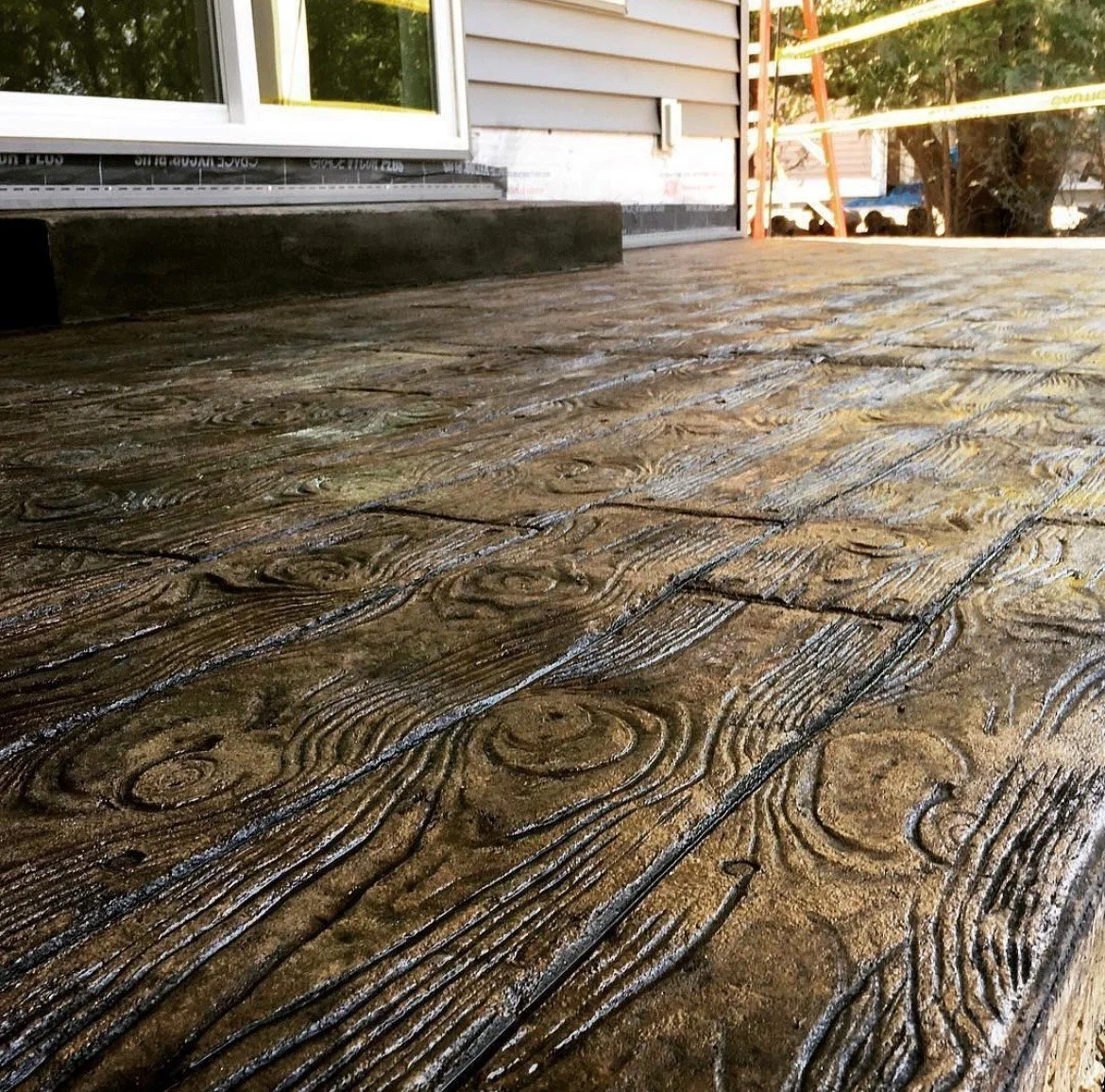
A stamped concrete patio gives Sparks, NV, homeowners the rare combination of beauty, durability, and design flexibility. In a high-desert climate with intense sun, cold winters, and big temperature swings, outdoor materials need to do more than look good. They need to perform. At FireSky, we design and build patios as part of complete outdoor living environments—spaces that feel intentional, refined, and completely connected to the way you live.
Outdoor Living In Sparks, NV: Why Material Choice Matters
Sparks has a personality all its own. Bluebird skies, mountain views, dry summers, chilly winters, and those dramatic Northern Nevada temperature swings all shape how an outdoor space should be designed. A patio here can’t be treated like a decorative afterthought. It has to be engineered for real life.
Stamped concrete works beautifully in this environment because it creates a strong, continuous surface that can be customized to complement the architecture of the home. It can mimic stone, slate, tile, or more contemporary textures while giving the space a clean, cohesive foundation.
For affluent homeowners, that matters. You’re not just adding square footage outside. You’re creating an outdoor room—one that may host dinners, firelit evenings, family gatherings, quiet mornings, and those golden Sparks sunsets that make you stop mid-conversation.
The FireSky Difference: Design First, Always
At FireSky, we lead with design. Always.
A patio is not simply a poured surface. It is part of a larger composition. It should connect naturally to the home, frame views, support traffic flow, and create a setting that feels effortless.
That is where our approach is different.
We look at:
How the patio connects to doors, windows, and interior spaces
Where people will gather, dine, relax, and move
How sunlight, shade, wind, and views affect the layout
Which materials and finishes support the home’s overall architecture
How the patio fits into the larger landscape design
A stamped concrete patio can be the anchor for an outdoor kitchen, fire feature, lounge area, poolside space, or garden transition. When designed correctly, it does not just sit behind the house. It belongs there.
Is Stamped Concrete Better Than Pavers For A Patio?
Stamped concrete and pavers can both create attractive patios, but for many Sparks homeowners, stamped concrete offers specific advantages.
A Cleaner, More Cohesive Look
Stamped concrete creates one continuous surface. That gives the patio a smoother, more refined appearance, especially for homes with modern, transitional, or resort-inspired architecture.
Pavers have joints between each unit. That can be beautiful in the right application, but it can also make a space feel busier. For homeowners who want a sleek, high-end outdoor living area, stamped concrete often delivers a more seamless result.
Strong Performance In Northern Nevada
Sparks weather asks a lot from hardscape materials. The freeze-thaw cycle can be hard on outdoor surfaces, especially when water gets into joints or under materials.
Stamped concrete, when professionally designed, poured, reinforced, stamped, and sealed, performs well because it is built as a unified slab with proper base preparation, drainage, control joints, and finishing.
More Design Flexibility
Stamped concrete can be customized with:
Stone-inspired patterns
Slate textures
Ashlar designs
Wood-look finishes
Border accents
Custom color blends
Integrated steps and transitions
That flexibility allows us to design a patio that feels unique to the home rather than pulled from a standard catalog.
How Long Will A Stamped Patio Last?
A professionally installed stamped concrete patio can last 25 years or more with proper design, installation, sealing, and care.
The key phrase is professionally installed.
In Sparks, longevity depends on more than concrete strength. It depends on the entire system beneath and around the patio.
Proper Site Preparation
Before concrete is poured, the site must be evaluated and prepared correctly. This includes:
Grading for drainage
Preparing a stable base
Accounting for soil conditions
Planning transitions to other hardscape elements
Coordinating with surrounding landscape features
This is where expert design-build oversight matters. A patio that looks gorgeous on day one but drains poorly is not a luxury project. It is a future problem wearing a pretty outfit.
Professional Finishing And Sealing
Stamped concrete needs experienced hands. Timing matters. Texture matters. Color application matters. Sealer choice matters.
The finish should enhance the design while protecting the surface from UV exposure, moisture, and seasonal wear. In Sparks, where sun intensity can be high and winter temperatures can dip below freezing, sealing is especially important.
Maintenance That Protects The Investment
A stamped patio is not high-maintenance, but it should be maintained thoughtfully. Periodic cleaning and resealing help preserve the color, protect the finish, and keep the surface looking elevated year after year.
Does A Stamped Concrete Patio Add Value To A Home?
Yes, a stamped concrete patio can add meaningful value to a Sparks home—especially when it is part of a complete, well-designed outdoor living environment.
But let’s be clear: value does not come from concrete alone.
Value comes from design.
A patio adds value when it:
Expands usable living space
Improves the flow between indoors and outdoors
Supports entertaining and daily enjoyment
Complements the home’s architecture
Enhances the overall property experience
Feels intentional, not tacked on
For high-end homes, outdoor living is part of the expectation. Buyers notice whether the backyard feels finished, functional, and connected to the home.
A stamped concrete patio can create that polished foundation. Add thoughtful plantings, architectural walls, fire features, lighting, and furniture zones, and suddenly the backyard is no longer just “outside.”
It becomes the best room in the house.
What Is The Most Popular Color For Stamped Concrete?
In Sparks and the greater Reno area, the most popular stamped concrete colors tend to be warm, natural, and grounded in the surrounding high-desert landscape. That makes sense. Northern Nevada has a very specific visual language: sagebrush, granite, soft browns, dusty greens, mountain shadows, pale grasses, and that warm evening light that turns everything a little golden.
The right stamped concrete color should feel like it belongs here. It should complement the home, settle naturally into the landscape, and create a refined foundation for the rest of the outdoor living space. When the color is chosen well, the patio does not shout for attention. It anchors the design with confidence.
Popular Color Families
Homeowners often gravitate toward:
Sandstone
Taupe
Warm gray
Charcoal
Soft brown
Slate
Greige
Desert tan
These colors work well because they complement Northern Nevada’s natural palette—sagebrush, stone, mountain shadows, dry grasses, and warm evening light. They also pair beautifully with many of the architectural styles found throughout Sparks, from contemporary homes with clean lines to mountain-modern properties with stone, wood, and expansive glass.
Warm neutrals are especially popular because they soften the patio and keep the space feeling inviting. They work well around fire features, outdoor kitchens, lounge furniture, and planting beds. Gray tones, on the other hand, can create a crisp, modern look that feels polished and architectural. Charcoal accents or borders can add definition without making the design feel heavy.
Color Should Match The Home, Not Just The Trend
The best color is not always the most popular one. It is the one that makes sense for your home.
We consider:
Exterior paint and stonework
Roof color
Window and trim details
Existing hardscape
Interior style
Desired mood
Sun exposure
A cooler gray may look incredible with a contemporary home. A warmer earth tone may suit a Tuscan-inspired or mountain-modern property. A darker charcoal border may give a patio that crisp, tailored edge. A soft taupe may be perfect when the goal is understated elegance rather than high contrast.
This is where design experience matters. A stamped concrete patio is not chosen in isolation. It needs to work with retaining walls, planting palettes, fire features, furniture, lighting, and the home itself. A color that looks beautiful in one backyard may feel completely wrong in another.
Sun exposure also changes everything. Sparks gets strong sunlight, and outdoor colors can appear lighter, brighter, or warmer depending on the time of day. A patio that feels subtle in morning shade may look much more dramatic in afternoon sun. That is why we think about the full experience of the space, not just the material board.
Color is not just a finish. It is part of the atmosphere.
Related: Does a Stamped Concrete Patio Complement Your Outdoor Living Lifestyle in Reno, NV?
How To Make Concrete In A Backyard Look Nice
Concrete looks exceptional when it is designed as part of a complete outdoor space. Plain concrete can feel flat. Stamped concrete, done well, has rhythm, texture, depth, and visual intention.
The secret is not simply choosing a pattern and calling it done. The secret is composition. The patio should have proportion, direction, contrast, and purpose. It should support the way people move, gather, sit, dine, and relax. It should connect with the architecture of the home and the surrounding landscape.
That is the difference between “we added concrete” and “we created an outdoor living space.”
Use Pattern With Purpose
The pattern should support the architecture of the home. A large-format stone pattern may suit a grand patio. A more subtle slate texture may feel better in a modern courtyard. Borders can define spaces without making the design feel busy.
Pattern scale matters. A small, highly detailed pattern can feel too active across a large patio. A larger, more restrained pattern can create a calmer, more luxurious feel. The direction of the pattern also matters, especially when the patio connects to doors, walkways, pool areas, or outdoor kitchens.
We also think about where the eye travels. A stamped concrete pattern can quietly guide movement through the space, frame a fire feature, emphasize a dining zone, or create a clean transition from one outdoor room to another. Done well, the pattern becomes part of the architecture.
Add Layers Around The Patio
A beautiful patio becomes even better when surrounded by thoughtful elements, such as:
Outdoor kitchens
Fire pits or fire bowls
Seat walls
Planting beds
Accent boulders
Landscape lighting
Water features
Shade structures
Specialty maintenance for long-term polish
These layers create depth. They make the patio feel like a destination.
The patio is the foundation, but the surrounding elements bring it to life. A fire feature gives the space energy after sunset. Lighting adds drama and makes evening entertaining feel effortless. Planting beds soften the edges and bring seasonal movement. Boulders and natural stone can tie the patio back to the Sparks landscape. Seat walls create structure while adding practical gathering space.
This is how concrete becomes more than concrete. It becomes the floor of an outdoor room.
Connect It To The Home
This is one of the biggest differences between an average patio and an extraordinary one.
The patio should line up with important architectural features. It should respect doors, windows, views, and interior sightlines. It should make movement feel natural.
When a patio is disconnected from the home, people feel it immediately, even if they cannot explain why. The grill feels too far away. The dining area feels awkward. The lounge furniture floats without purpose. The view gets blocked. The whole space looks expensive, but somehow not quite right.
When we design a backyard, we are not just asking, “Where can the patio go?”
We are asking, “How should this space feel when you step outside?”
That question changes everything. It moves the project beyond materials and into experience. The patio becomes part of how the home lives, how it entertains, and how it welcomes people outside.
Built For Sparks: Climate-Smart Design
Sparks outdoor living requires smart timing and smart materials. The region’s climate affects how and when stamped concrete should be installed, sealed, and maintained.
This is high-desert living. That means hot sun, low humidity, cold winter nights, occasional snow, and dramatic temperature shifts. Those conditions are manageable, but they should never be ignored. A luxury patio needs to be designed for the realities of the site, not just the inspiration photo.
Best Installation Seasons
The most favorable installation window is generally spring through fall, when temperatures are mild enough for proper pouring, stamping, curing, and sealing.
Extreme heat can affect workability. Cold weather can interfere with curing. Sudden storms can complicate finishing. That is why scheduling and preparation matter.
In Sparks, timing is part of craftsmanship. Concrete needs the right conditions to cure properly and achieve the intended finish. If the weather is too hot, the surface can set too quickly. If temperatures are too cold, curing can slow down or become inconsistent. Wind, direct sun, and sudden temperature drops can all affect how the project should be managed.
An experienced design-build team understands these details before the first form is set.
Weather Factors We Consider
For Sparks projects, we think through:
Freeze-thaw exposure
Drainage and runoff
Sun intensity
Wind patterns
Shade needs
Snow and ice conditions
Seasonal accessibility
Drainage is especially important. Water should move away from the home and away from key patio areas. Poor drainage can create staining, surface wear, ice hazards, and long-term performance issues. In a climate with freezing winter temperatures, water management is not optional. It is essential.
Sun exposure also plays a major role in comfort and color selection. A darker stamped concrete color may look dramatic and sophisticated, but it can also absorb more heat in exposed areas. A lighter tone may feel cooler and softer. Shade structures, planting, and patio orientation can all help create a more comfortable outdoor environment.
Wind is another real-world factor in Sparks. Outdoor kitchens, fire features, seating areas, and shade elements need to be placed with local conditions in mind. A beautiful patio should not only photograph well. It should function beautifully when people are actually using it.
Related: Why You Should Choose a Stamped Concrete Patio Over a Standard Concrete Patio in the Reno, NV Area